Project Gallery
Browse all 39 science fair projects. Search by title, student, category, or table number.
P-01
Physics
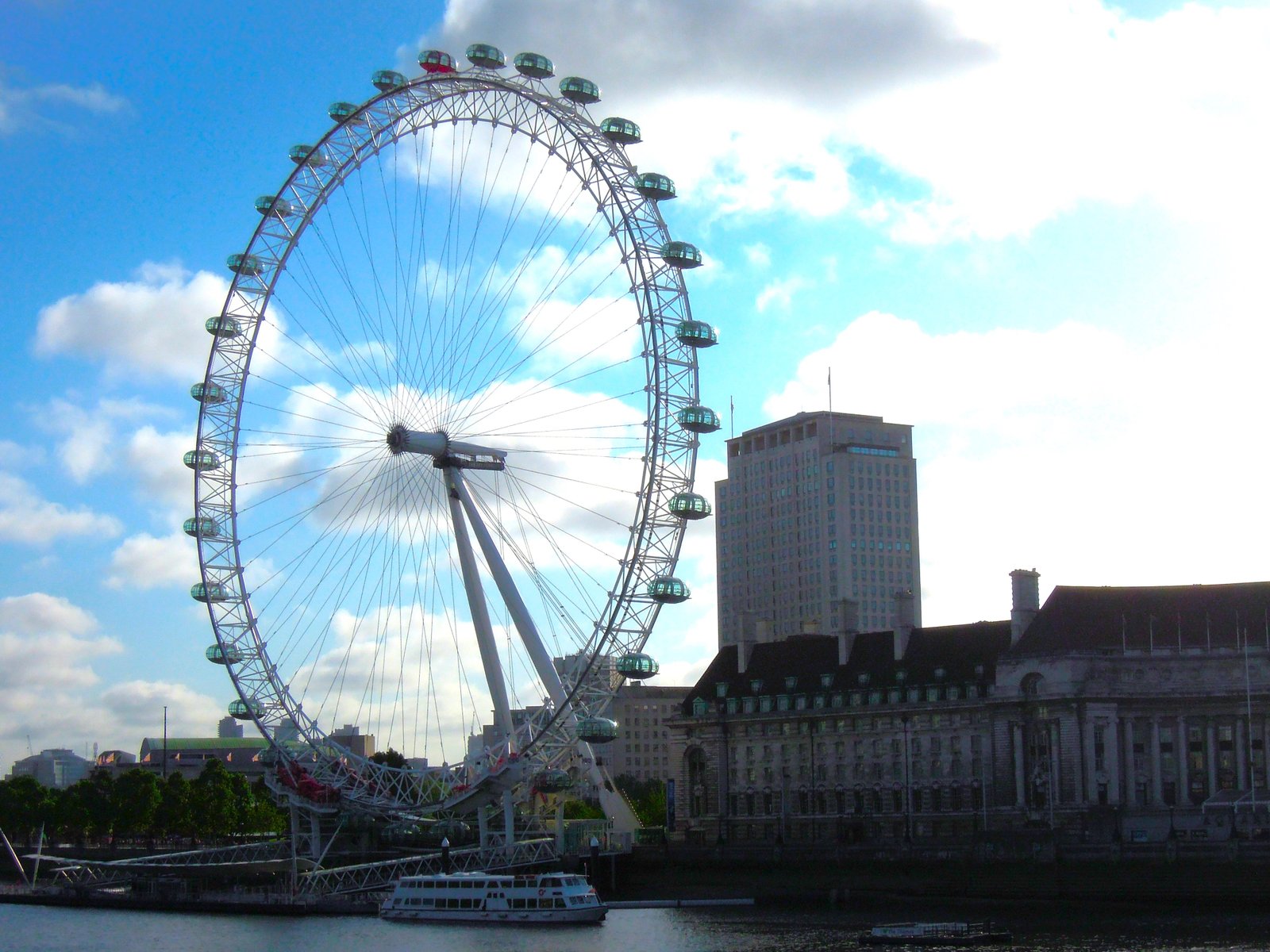
Angular Acceleration of a Ferris Wheel
👤 Emma Konanga, Jodelle Mabrouk, Layan Shaheen
This project investigates how angular acceleration affects the motion of a rotating ferris wheel model. By adjusting mass distribution and rotation speed, students explore the relationship between torque, inertia, and angular velocity in real mechanical systems.
P-02
Physics
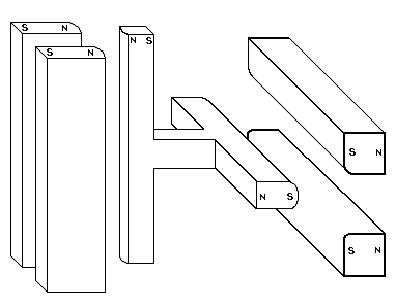
Maglev Motor
👤 Zaid Bakari, Kareem Sabari, Mohammad Siam, Yazan
Using electromagnetic repulsion between opposing magnets, this project builds a working magnetic levitation motor. It demonstrates how maglev technology eliminates friction, exploring the principles behind high-speed maglev trains and contactless mechanical systems.
P-03
Physics
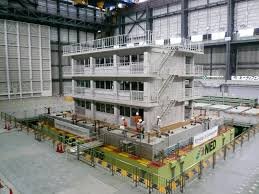
Earthquake Resistant Structures
👤 Jimmy Namour, Orabi Khateer, Daniel Kharman
This project designs and tests scale model buildings for resistance to simulated seismic activity. Students compare different structural geometries and materials to determine which configurations best absorb and distribute earthquake forces.
P-04
Physics
Hydraulic Lift
👤 Adli, Ameer Dajani
Using syringes and fluid-filled tubing, this project builds a working hydraulic lift to demonstrate Pascal's Law. It shows how pressure applied to a confined fluid is transmitted equally in all directions, explaining the mechanics behind car lifts and heavy machinery.
P-05
Physics
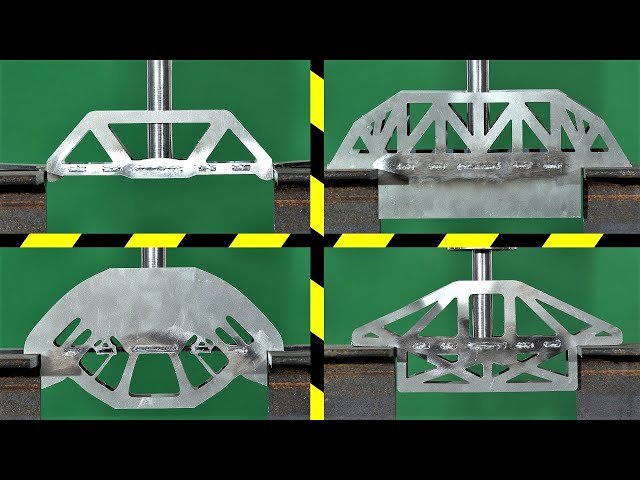
Best Bridge Design Against Impact
👤 Mohammad Shweki, Yahya Kawasimi
Students design and stress-test multiple bridge structures using different geometric configurations to find which design withstands the greatest impact force before failure. This project applies principles of structural engineering, load distribution, and material strength.
P-06
Physics
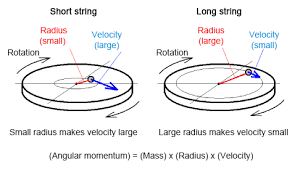
Angular Momentum
👤 Salma Waary, Joanna Karkar, Sara Yaghmour, Waheed Moussa
This project demonstrates the conservation of angular momentum using a rotating platform and movable weights. When the student pulls their arms in while spinning, rotation speed increases — visually proving one of the most fundamental principles in classical mechanics.
P-07
Physics
Pressure Can
👤 Waleed Dajani, Basel Hamden, Ameer Yaseen, Omar Miqbali
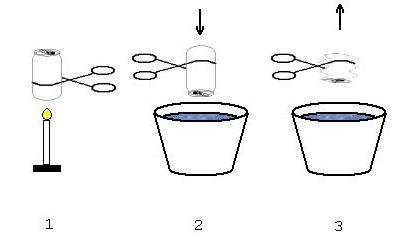
By heating a small amount of water inside a sealed can and then rapidly cooling it, this project creates a dramatic implosion. The experiment demonstrates atmospheric pressure and how pressure differentials can exert tremendous force on containers.
P-08
Physics
Laser Beam
👤 Ahmad
This project explores the properties of laser light including coherence, collimation, and reflection. Students investigate how laser beams behave when passing through different media and reflect off surfaces, demonstrating principles of optics used in modern technology.
P-09
Physics
Friction on Different Surfaces
👤 Mahmoud Ewais, Mohammad Sandouka, Mohammad Hassouneh
By sliding objects across surfaces of varying texture and material, this project measures static and kinetic friction coefficients. Results are compared to determine which surfaces produce the most and least resistance, with real-world applications in engineering and safety design.
P-10
Physics
Steam Engine
👤 Daoud Ghanam, Adi Hamarsheh, Ahmad Ali, Hassan, Nour, Adam
This project builds a working model steam engine to demonstrate thermodynamic energy conversion. Heated water produces steam pressure that drives a mechanical piston, illustrating how the Industrial Revolution's core technology converts heat energy into mechanical work.
P-11
Physics
Hydraulics
👤 Omar, Jan, Elias, Hasan, Nour, Adam
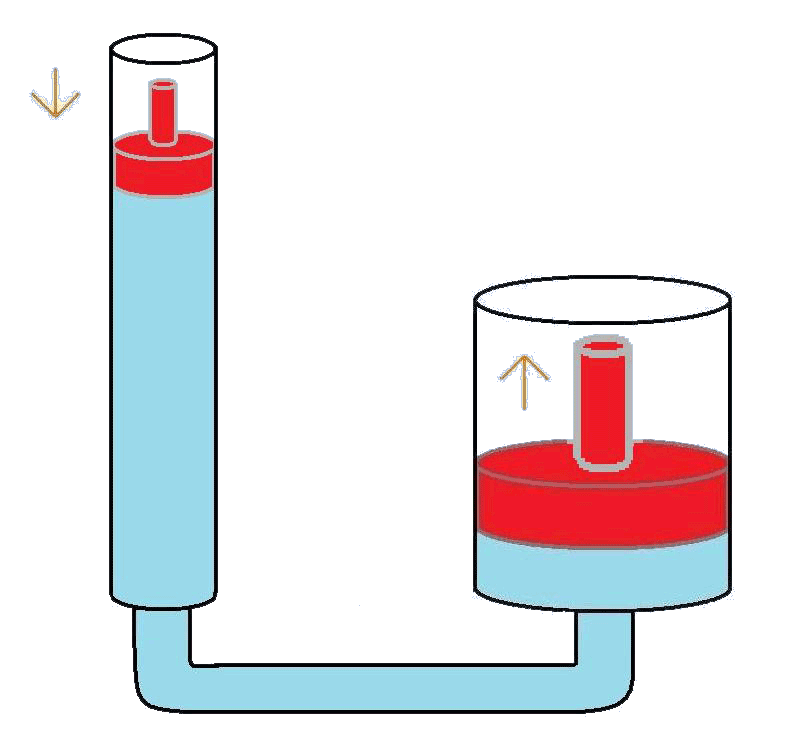
Using water-filled syringes connected by tubing, this project demonstrates hydraulic force multiplication. A small force applied to one piston produces a much larger force at another, explaining the engineering principle behind hydraulic brakes, jacks, and excavators.
B-01
Biology
Blood Pressure
👤 Shams Srour
This project investigates how various physical and lifestyle factors influence blood pressure readings. Using a sphygmomanometer, measurements were taken under different conditions to explore cardiovascular response and the importance of maintaining healthy blood pressure levels.
B-02
Biology
Blood Sugar
👤 Dina Nusseibeh
This project examines how different foods and activities affect blood glucose levels. By analyzing the glycemic response to various substances, it highlights the role of insulin regulation and the importance of diet in managing blood sugar for long-term health.
B-03
Biology
Bacteria on Different Surfaces
👤 Jawad Farrah, Kareem Abu Helou, Lamar Awad, Nairy Shawar, Dareen Barakat
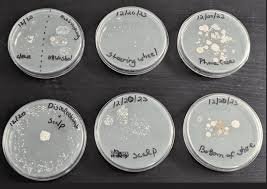
Swab samples were collected from multiple everyday surfaces and cultured on agar plates to count and compare bacterial colonies. This project reveals which surfaces harbor the most microorganisms and underscores the importance of proper hygiene and disinfection practices.
B-04
Biology
DNA Extraction from Strawberries
👤 Jana Hassan, Mia Jabara, Alejandro Zayed
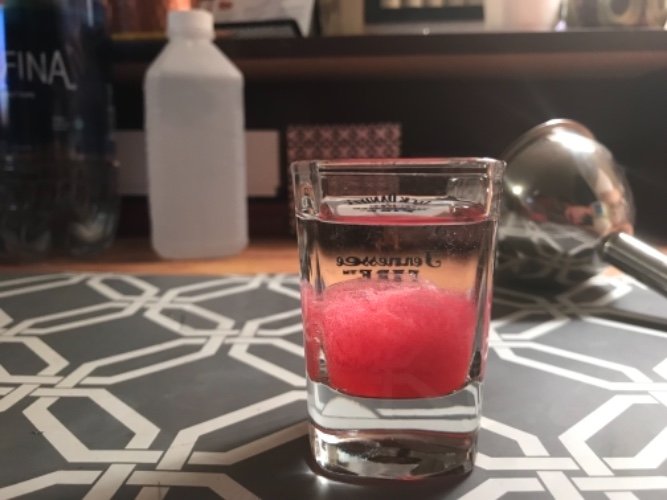
Using common household materials including soap, salt, and rubbing alcohol, this project extracts visible strands of DNA from strawberry cells. It introduces the concept of genetic material, cell structure, and the biochemical process of DNA isolation used in real laboratory settings.
B-05
Biology
Effects of Lamp on Vitamin C / Iodine Indicator
👤 Taliya Thabet, Natalie Kandalaft
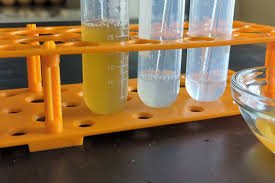
This project tests whether exposure to light degrades vitamin C in fruit juices using an iodine titration indicator. The results show how UV and heat sources accelerate ascorbic acid breakdown, with practical implications for food storage and nutritional preservation.
B-06
Biology
Enzyme Activity — Potatoes & Catalase
👤 Kareem Jaber, George Sinora
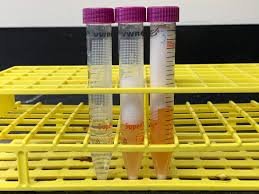
Catalase, an enzyme found in potato cells, is tested against hydrogen peroxide under varying temperatures and pH levels. This project demonstrates how enzymes accelerate biochemical reactions and how environmental conditions affect their efficiency and structure.
B-07
Biology
Green Water Filtration
👤 Hamzeh Jabari, Karam Abu Tair
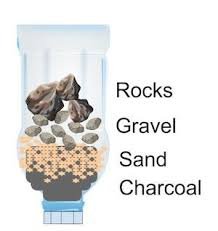
This project builds and compares natural water filtration systems using sand, gravel, activated charcoal, and plant-based materials to purify contaminated water samples. It explores low-cost, sustainable solutions for water purification in resource-limited environments.
B-08
Biology
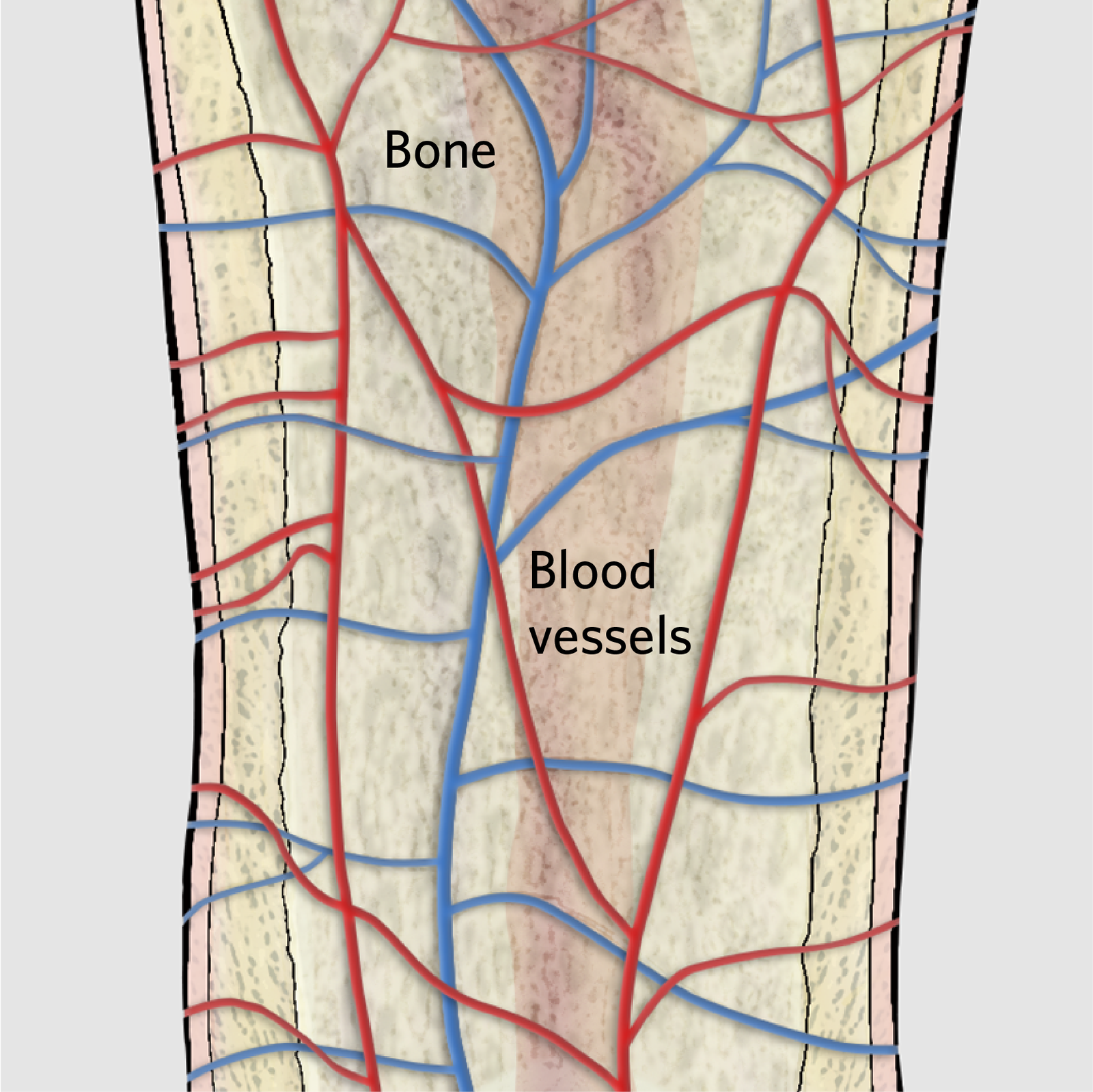
Blood Vessels / Cohesion & Adhesion
👤 Celina Halawani, Lujain Khoury, Elena Akel, Masa Abu Zeid
This project models how cohesion and adhesion forces affect fluid movement through narrow tubes, simulating blood flow in capillaries and veins. It connects the physics of surface tension to the biology of the circulatory system and vascular function.
B-09
Biology
Vape Effect on Lungs
👤 Ameer Copty, Adam Asadi, Ramzi Kreitam
Using simulated lung models and cotton filters, this project demonstrates the residue deposited by vaping aerosols compared to clean air. It visually illustrates how vaping chemicals coat lung tissue and discusses the associated health risks and inflammatory responses.
B-10
Biology
Color Blindness
👤 Shadan Darawshah, Ghazal Jawarish
This project explores the genetics and physiology of color blindness, testing participants with Ishihara plates to identify common forms of color vision deficiency. It explains the role of cone cells in the retina and how genetic mutations affect color perception.
B-11
Biology
Blood Type
👤 Vanessa Emerzian, Zein Jaber
Students investigate the ABO and Rh blood typing system by simulating agglutination reactions between blood types and antibodies. The project explains why blood type compatibility is critical in transfusions and how the immune system responds to foreign antigens.
B-12
Biology
BMI
👤 Ameer Barakat, Sereen Masalha
This project analyzes Body Mass Index as a screening tool for health risk assessment across different age groups. Students collected data, calculated BMI values, and explored the relationship between BMI categories and lifestyle factors such as diet and physical activity.
B-13
Biology
Circulation System
👤 Mira Sara, Tia Hanna, Malak Jaber
This project builds a working model of the human circulatory system showing how the heart pumps oxygenated and deoxygenated blood through arteries, veins, and capillaries. It demonstrates cardiac function, blood pressure, and the vital role of circulation in sustaining life.
B-14
Biology
Plastic out of milk
👤 Qais Sultan, Ronnie Zayed
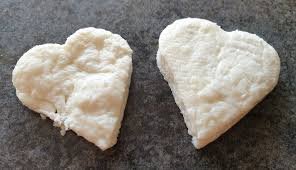
Plastic Out of Milk is a science project that shows how milk can be turned into a plastic-like material using a simple chemical reaction. When vinegar is added to warm milk, the acid causes the milk protein, called casein, to separate from the liquid. The casein forms soft clumps that can be collected, shaped, and dried into a hard material similar to early types of plastic. This project demonstrates how natural materials can be used to create biodegradable alternatives and helps explain the connection between chemistry, polymers, and everyday products.
B-15
Biology
Heart Pressure vs Emotions
👤 Ghazal Anabtawi, Jilan Jazmawi, Grace Misleh
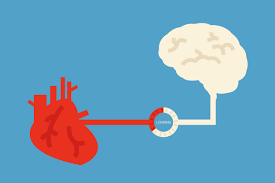
This project measures heart rate and blood pressure responses to different emotional stimuli including stress, happiness, and relaxation scenarios. It investigates the direct link between the nervous system, emotional states, and cardiovascular performance.
C-01
Chemistry
Effect of Alcohol on Water Rise in Candle & Glass
👤 Andrew Asfour, Amjad Jarah
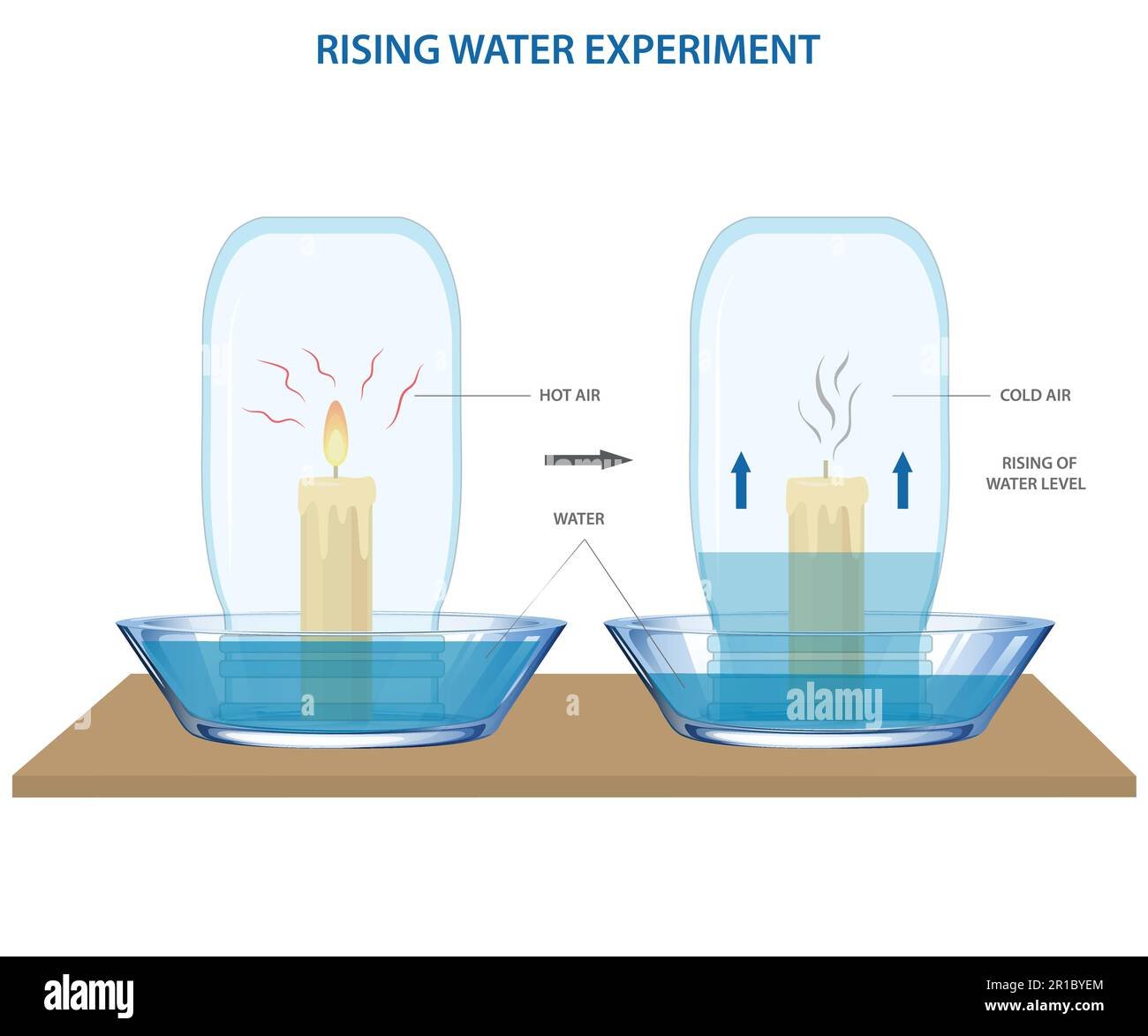
This project investigates how alcohol concentration affects the rise of water inside a glass after a candle is extinguished. By varying alcohol content in the air, students explore combustion chemistry, oxygen consumption, and atmospheric pressure in a controlled experiment.
C-02
Chemistry
Activated Charcoal
👤 Ryan Abadallah, Basel Sanduka, Chris Thabet
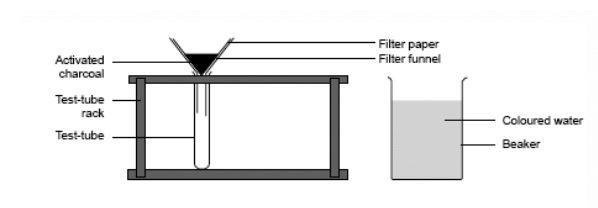
This project tests the adsorption properties of activated charcoal by filtering colored dyes and contaminants from water. It explains why activated charcoal is used in water purifiers and medical treatments, demonstrating the science of adsorption at a molecular level.
C-03
Chemistry
Floating and Sinking
👤 Mira Idkaidek, Joana Abdel Latif
By placing objects of different densities in liquids of varying concentrations, this project explores the relationship between buoyancy, density, and Archimedes' principle. Students discover how dissolving substances in water changes its density and affects what floats or sinks.
C-04
Chemistry
Floating Eggs
👤 Adam Aweida, Fares Karmi, Qais Abu Ghosh
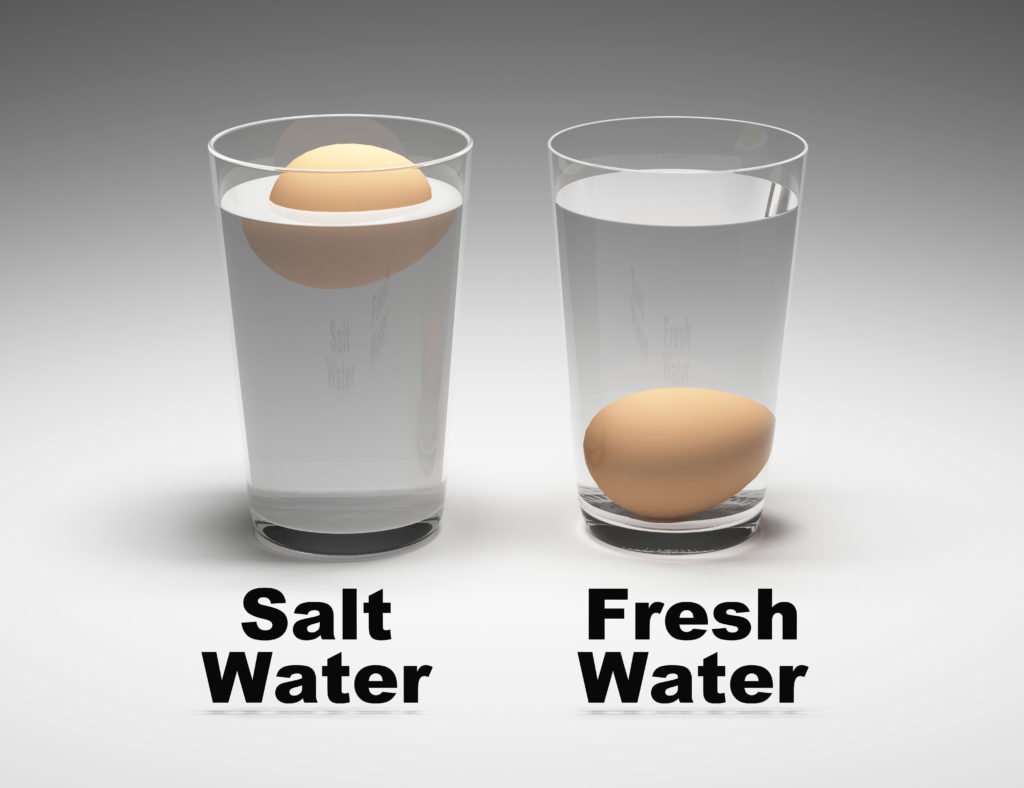
This project demonstrates how adding salt to water increases its density enough to make an egg float. By carefully layering fresh and salt water, students create density gradients and observe buoyancy changes — illustrating the same principle that makes the Dead Sea unsinkable.
C-05
Chemistry
Starburst
👤 Aysha Hasan, Rima Said, Jonelle Botros
Using Starburst candies dissolved in water, this project investigates how sugar concentration, temperature, and acidity affect the rate of dissolution and color diffusion. The visually striking results demonstrate solubility, diffusion gradients, and chemical reaction rates.
C-06
Chemistry
Electrical Conductivity of Aqueous Solutions
👤 Maya Morad, Jana Adeela,Vika Amer, Marina Emeid, Joyce Azzain
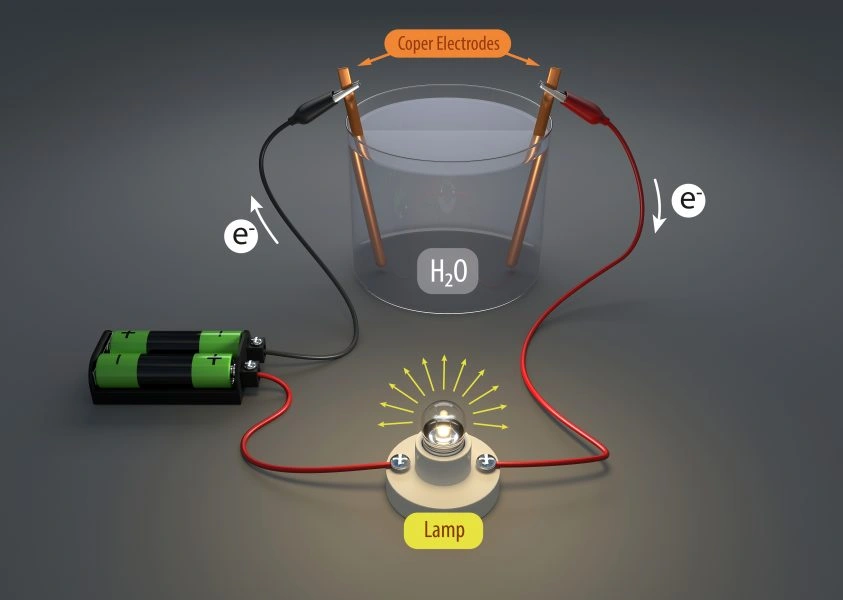
This project tests which dissolved substances allow electricity to flow through water by measuring conductivity with a simple circuit tester. Results compare ionic compounds like salt to covalent compounds like sugar, explaining why electrolytes conduct electricity.
C-07
Chemistry
Salt Conductivity
👤 Angelina Amer, Malak Dweik
Students investigate how the concentration of dissolved salt in water directly affects its electrical conductivity. By systematically increasing salt levels and measuring current flow, this project demonstrates the relationship between ion concentration and electrical resistance.
C-08
Chemistry
Which Liquid Dissolves Skittles the Fastest
👤 Ammar Selah, Mohammad Azzeh, Yacoub Maalini
Skittles are placed in various liquids including water, vinegar, milk, and soda to determine which dissolves the candy coating fastest. This project explores solubility, pH, and chemical reactivity while producing colorful visual results that demonstrate dissolution rates.
C-09
Chemistry
Traffic Light Chemical Reaction
👤 Saji Saadeh, Mohammad Diab, Anton Habach, Ameer Shadi Dajani
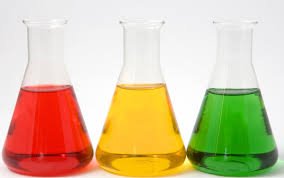
This project creates a striking oscillating chemical reaction that cycles through red, yellow, and green colors — mimicking a traffic light. It demonstrates redox chemistry, where glucose and methylene blue react with oxygen to repeatedly change oxidation states.
C-10
Chemistry
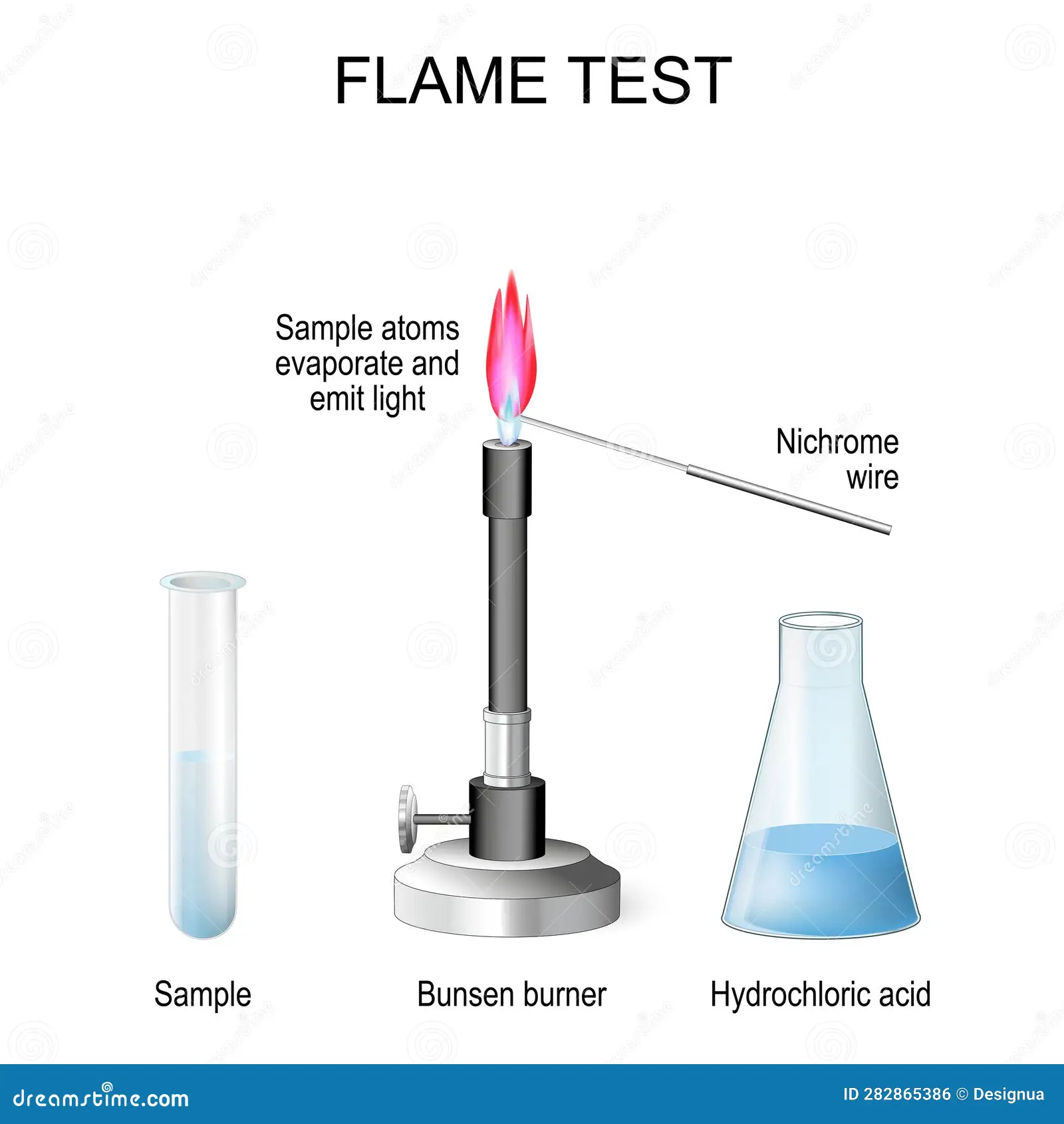
Flame Test
👤 Chris Zanbil, Omar Bitar
Different metal salts are burned to produce distinct flame colors, demonstrating that each element emits a unique spectral signature. This project explains how electrons absorb energy and release it as visible light, the same principle used in fireworks and spectroscopy.
C-11
Chemistry
Catalyst Reaction
👤 Mark Sahhar, Omar Khatib, Shukri Abu Rmeileh, Rafiq Sinokrot
Using hydrogen peroxide and potassium iodide as a catalyst, this project produces a dramatic "elephant toothpaste" reaction. It demonstrates how catalysts accelerate chemical reactions without being consumed, generating a rapid decomposition of hydrogen peroxide into water and oxygen foam.
CS-01
Computer Science
Electrify
👤 Edward Kharman
Our problem is that adolescents in schools across West Bank communities of Area C frequently experience electricity shortages and unreliable heating. Our solution is repairing and upgrading existing generators while implementing an AI-powered smart grid to ensure reliable electricity.
CS-02
Computer Science
JASGenius
👤 Muhammad Aburoumi
JASGenius is an AI-powered school assistant built for Jerusalem American School. It helps students, parents, and staff quickly find trusted information about school policies, teachers, academics, and resources in one simple chat platform.